A Quick Look At Germany
By Alexander Sam
INTRODUCTION
Germany is a Western European country with a landscape of forests, rivers, mountain ranges and beaches.
GEOGRAPHIC FEATURES
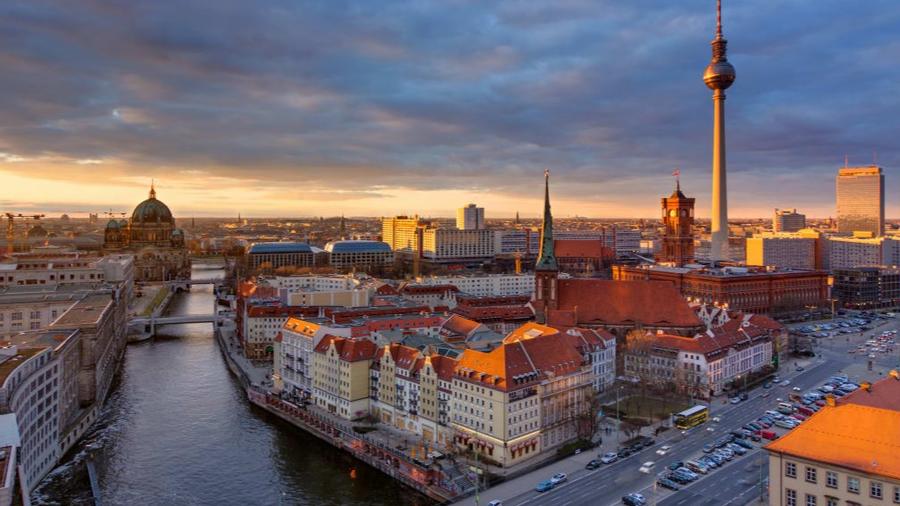
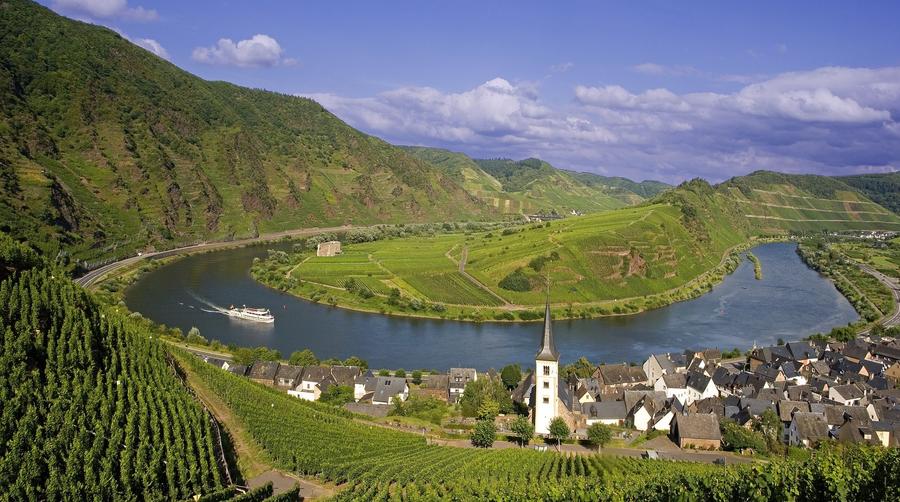
Check out the various, beautiful geographic features you can find in Germany!
INTERESTING ASPECTS
Read about the different aspects of Germany's population and government.
CULTURE
The foods, festivals, and religious practices that can be found in Germany.
INTERESTING PLACES
Places you may find interesting to visit in Germany.

FAMOUS PEOPLE
Two widely known individuals who were from Germany.
CONFLICTS
Issues occuring today in Germany.
WORLD WAR II
What occured in Germany during World War II.
INTRODUCTION
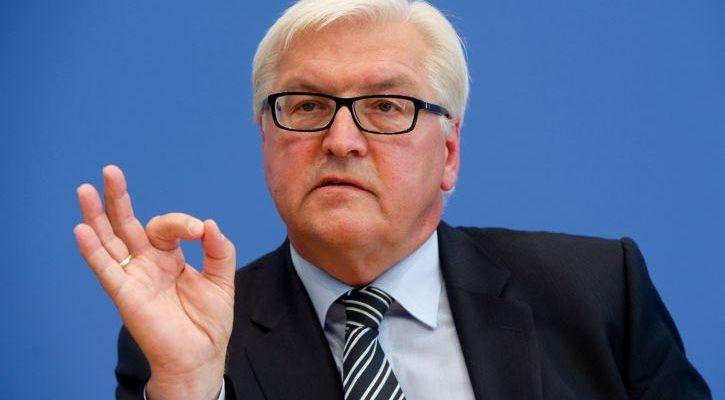
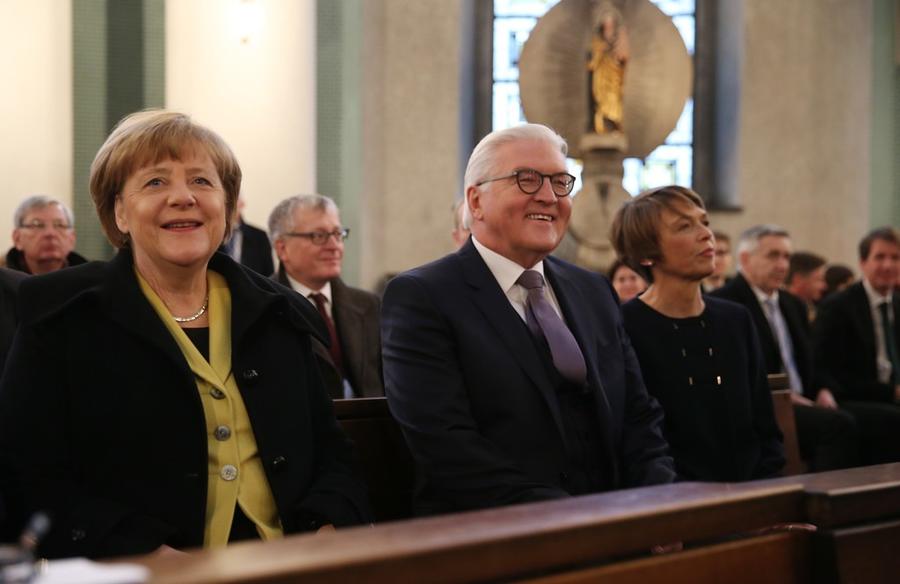
President: Frank-Walter Steinmeier
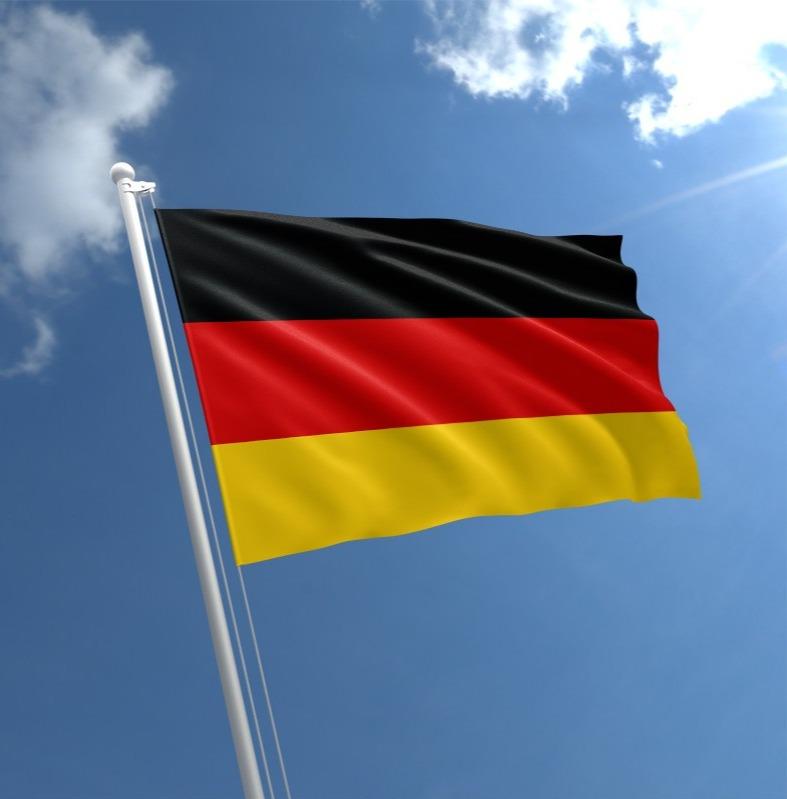
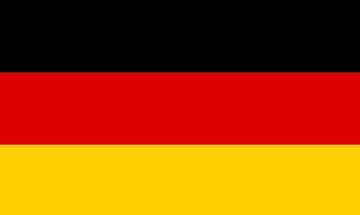
Flag
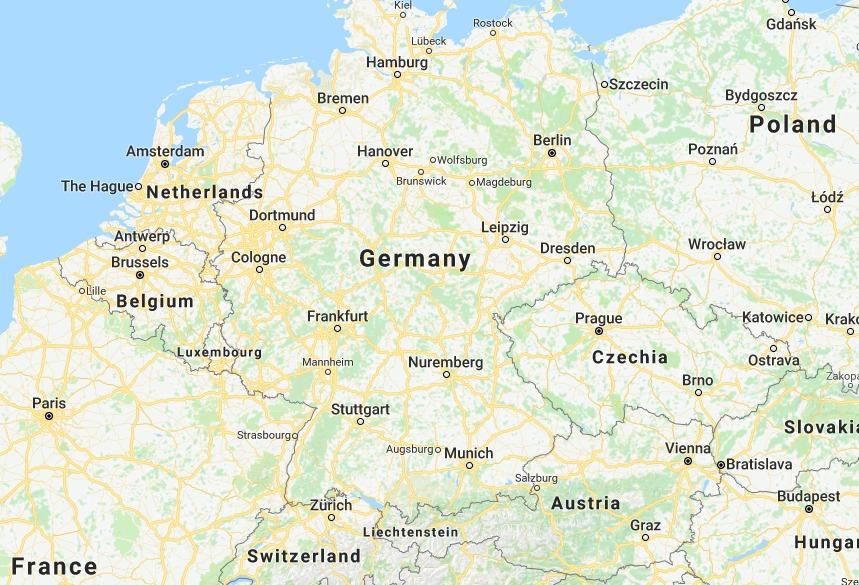
Map
GEOGRAPHIC FEATURES
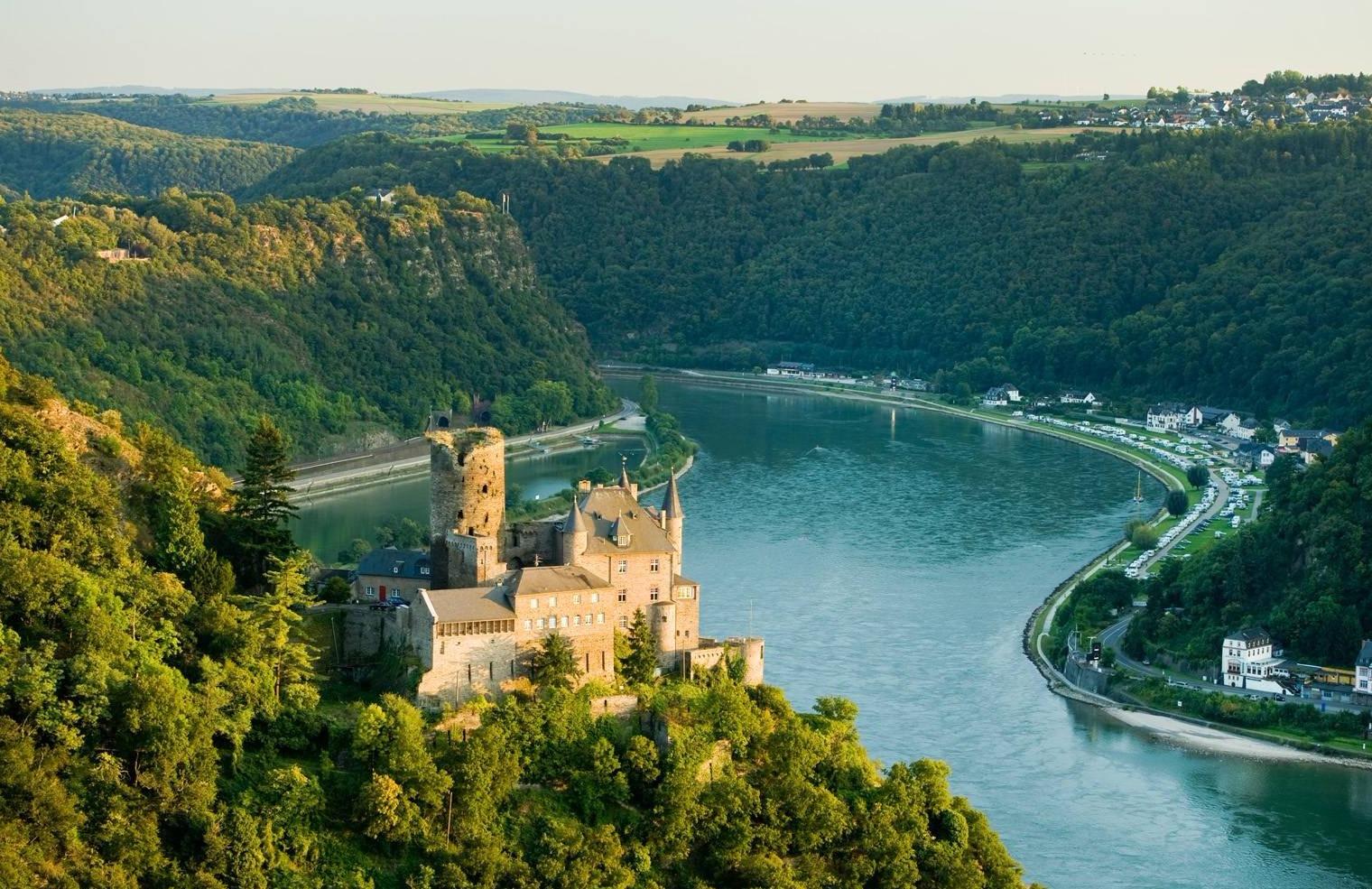
Rhine (River)
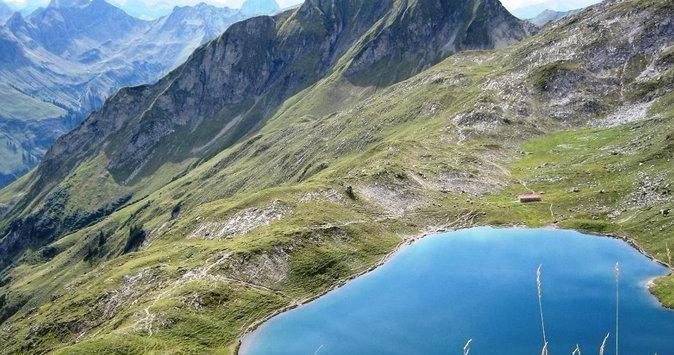
Alps (Mountain Range)
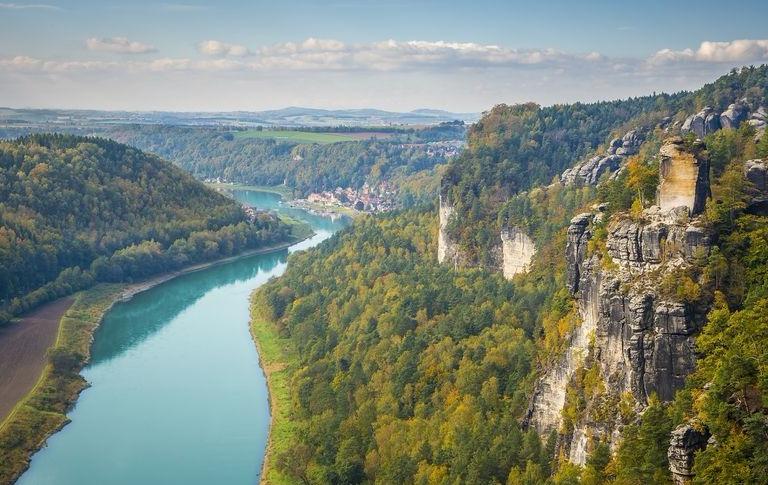
Elbe (River)
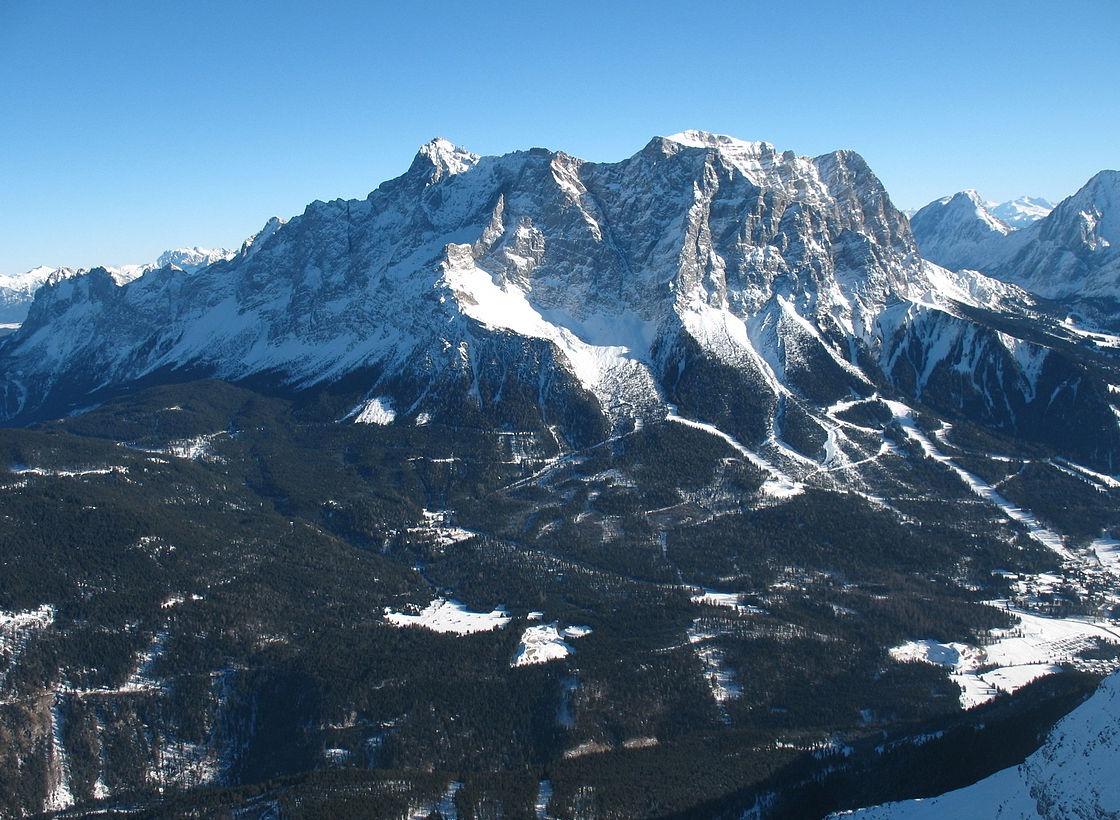
Zugspitze (Peak)
INTERESTING ASPECTS
Member of the European UnionPopulation 82.67 Million (2016)Developed CountryGDP 3.467 Trillion USD (2016)Language: German
CULTURE
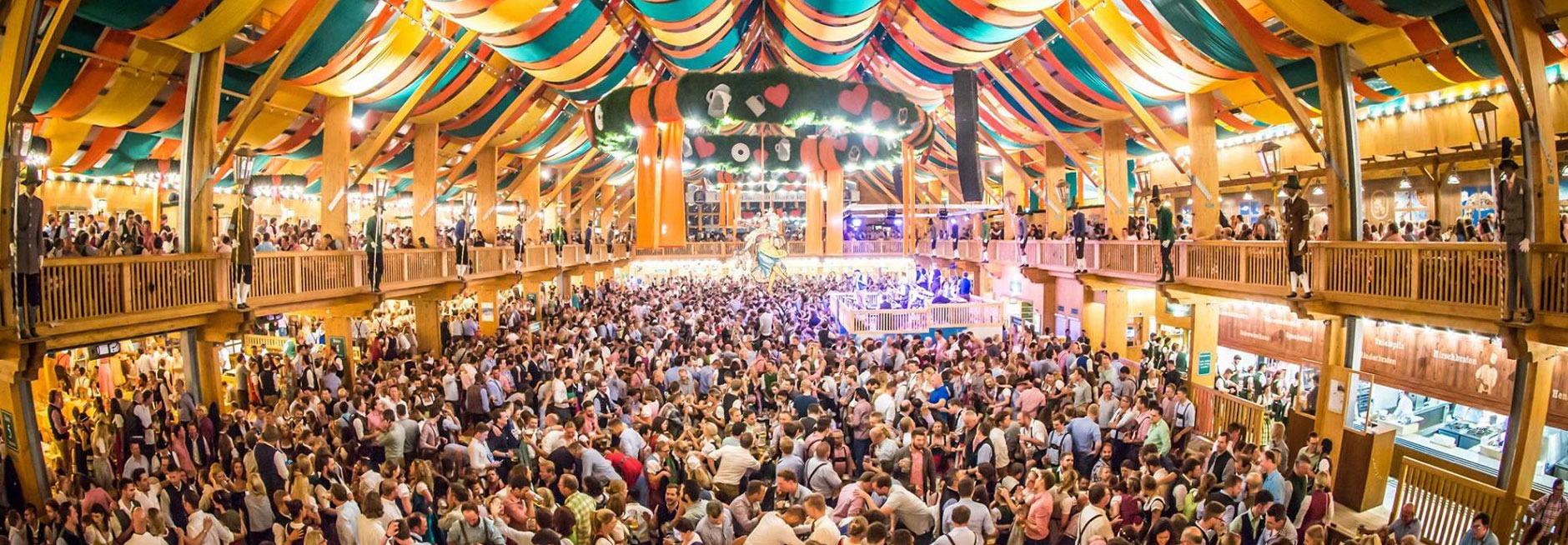
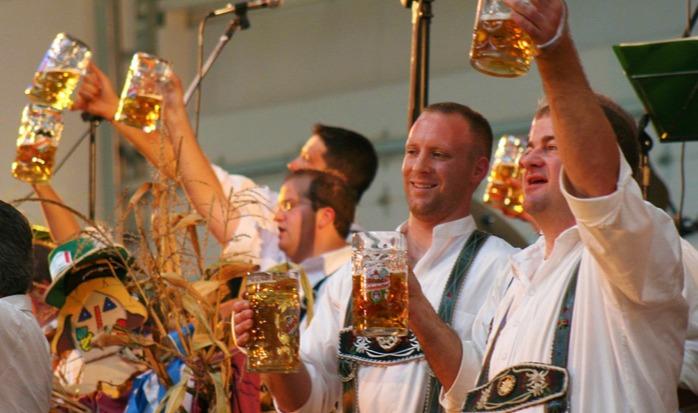
Two foods that originated in Germany which we are familiar with in America are Pretzels and Mashed Potatoes. A popular festival in Germany is Oktoberfest which is the world's largest beer festival and travelling funfair. It is held annually in Munich, Bavaria, Germany, it is a 16-18 day folk festival running from mid or late September to the first weekend in October. About 65% to 70% of the population are followers of the Christian religion.
INTERESTING PLACES
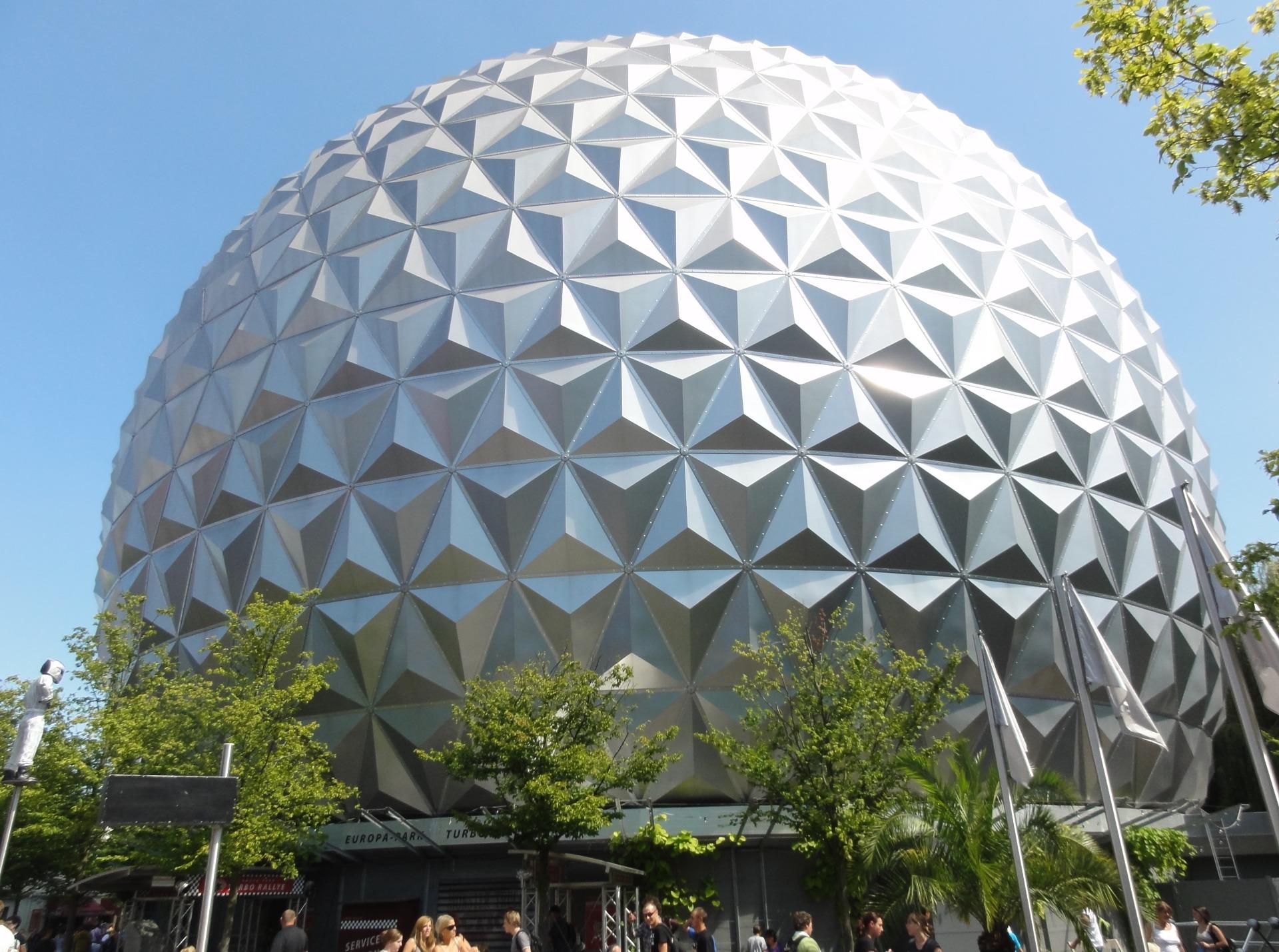
Eurosat (Theme Park)
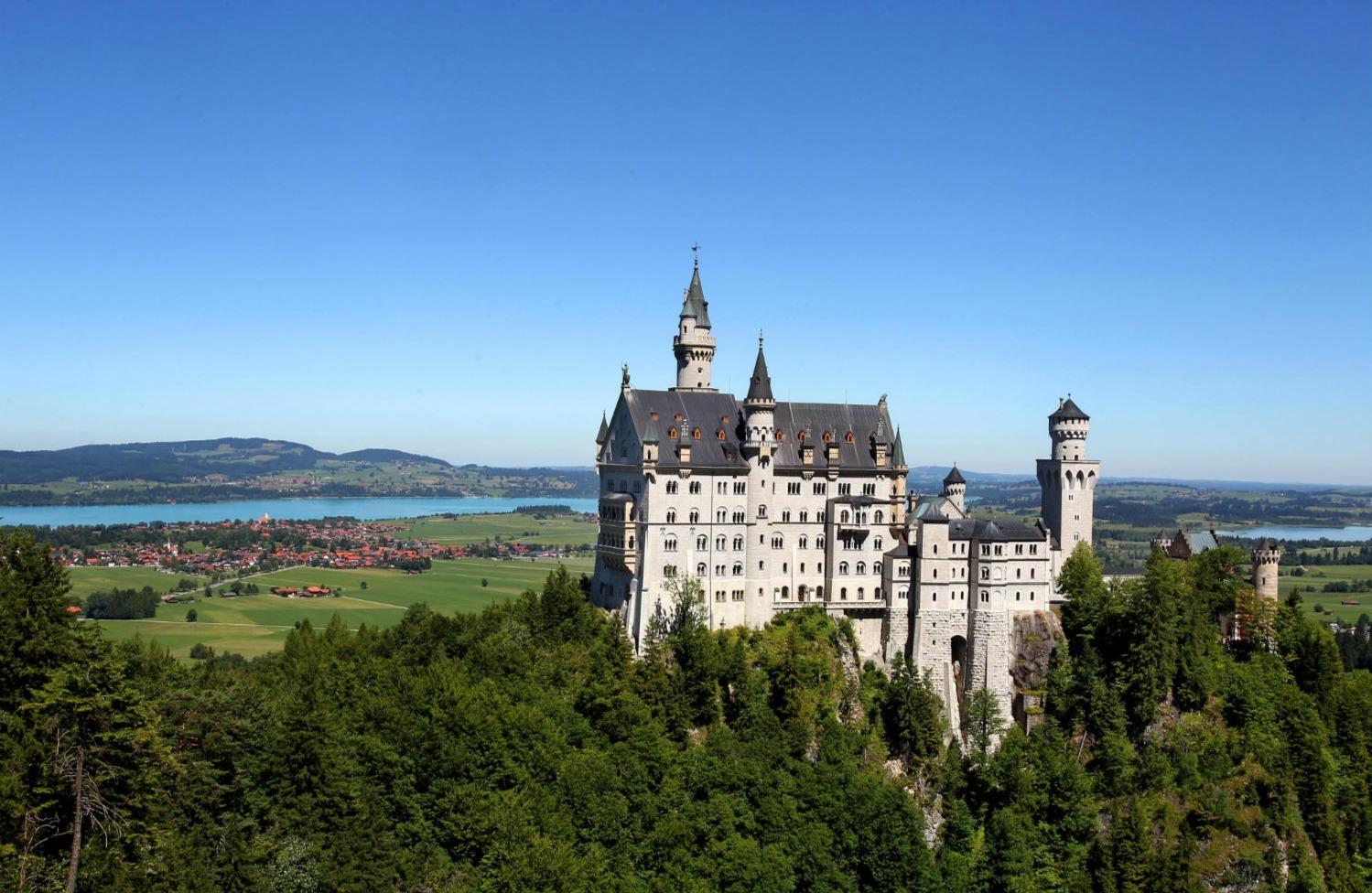
Neuschwanstein Castle
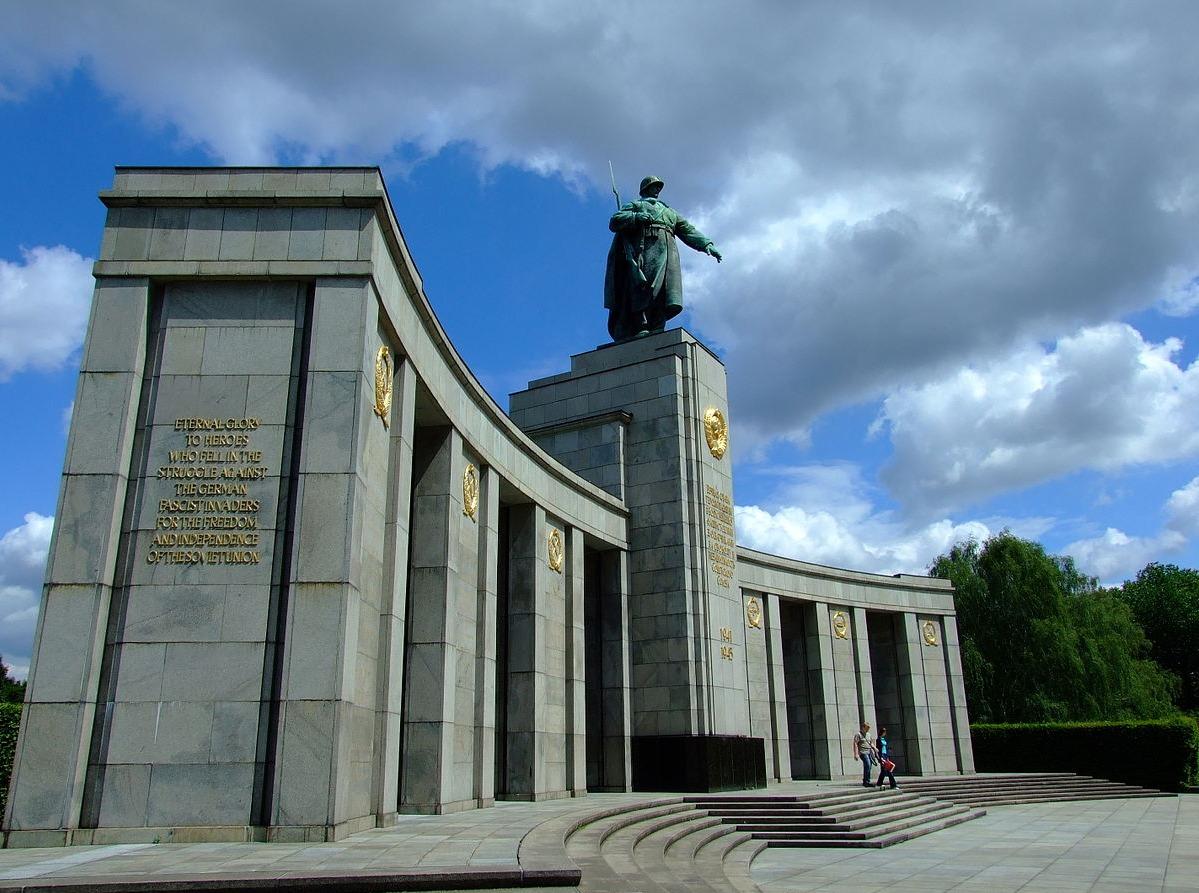
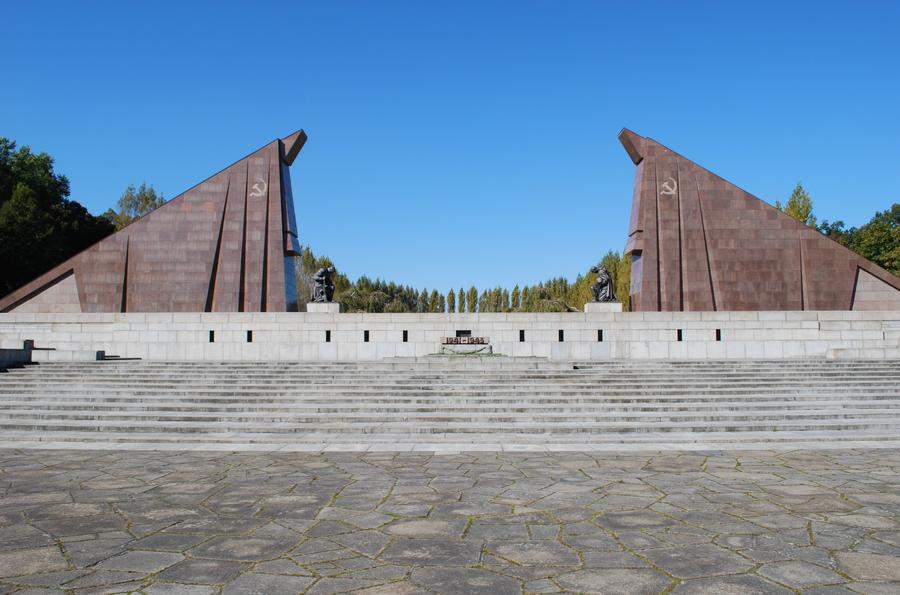
Soviet War Memorial
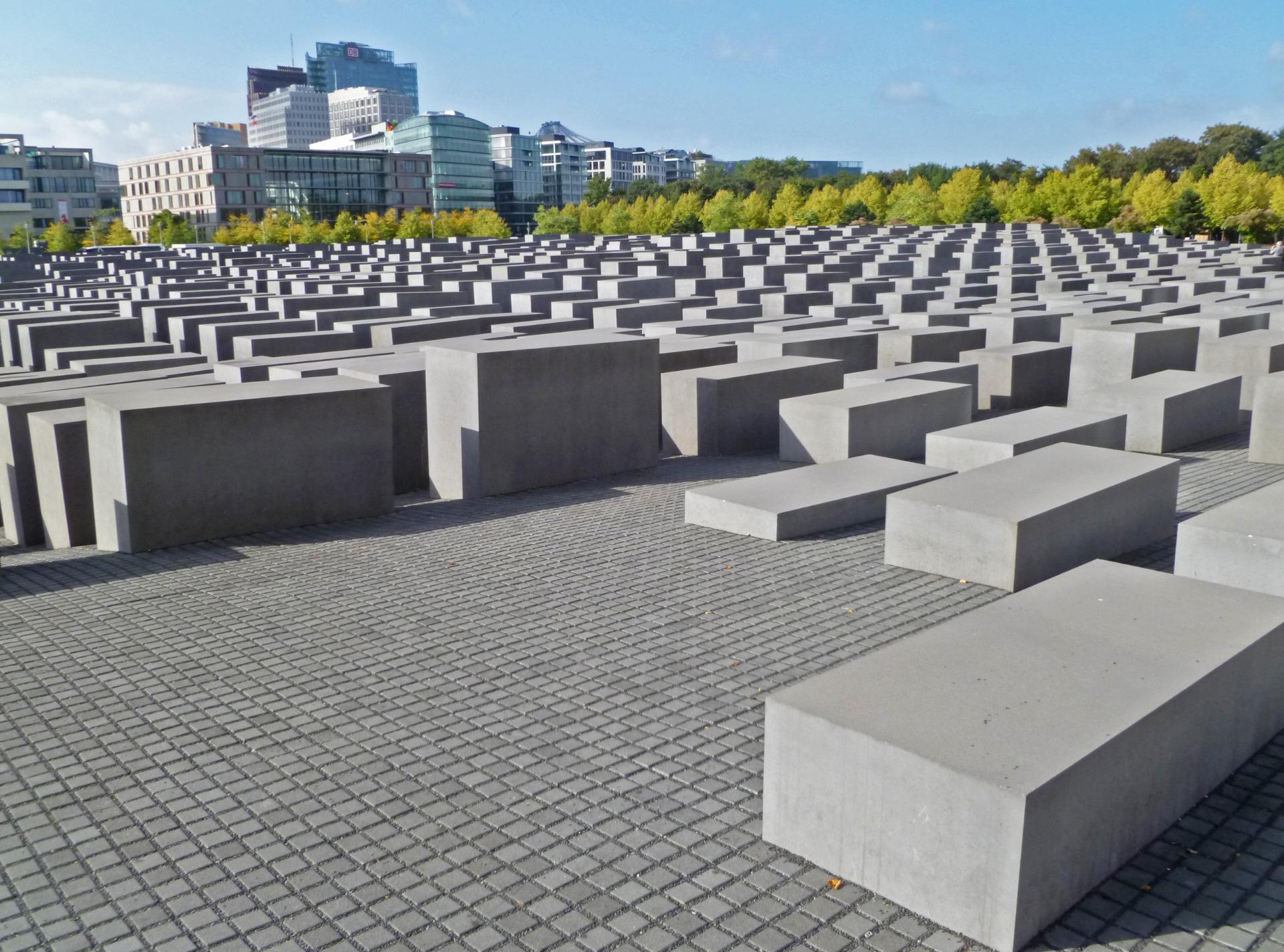
Memorial of the Murdered Jews of Europe
FAMOUS PEOPLE
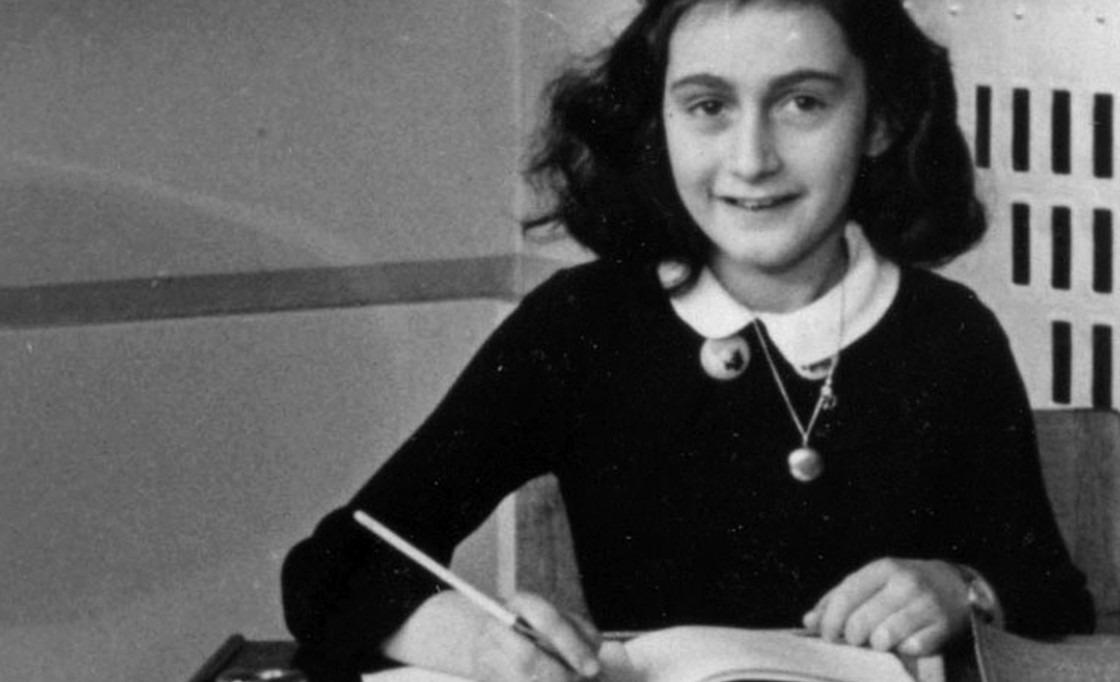
Anne Frank
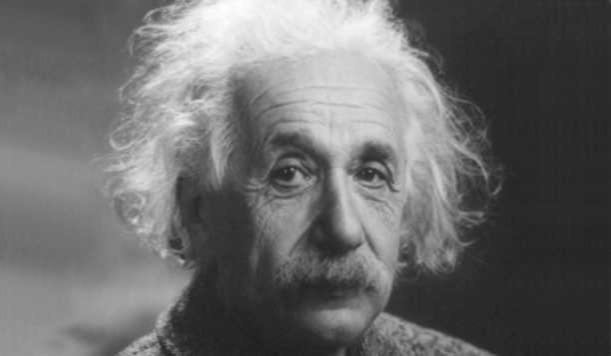
Albert Einstein
CONFLICTS
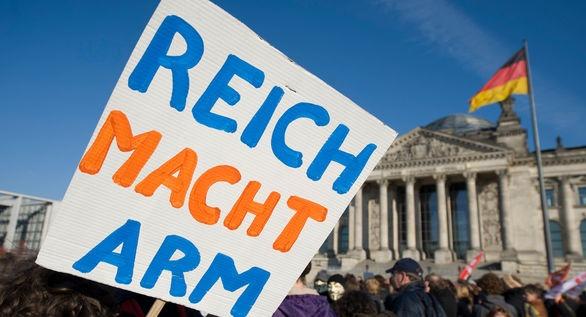
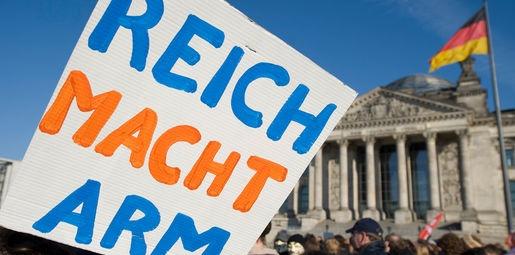
A conflict which occurs in Germany today are Major Social Issues. This includes Reunification, School Violence and Dropouts, Political Extremism, Gender Roles, and Integration of Immigrants.
WORLD WAR II
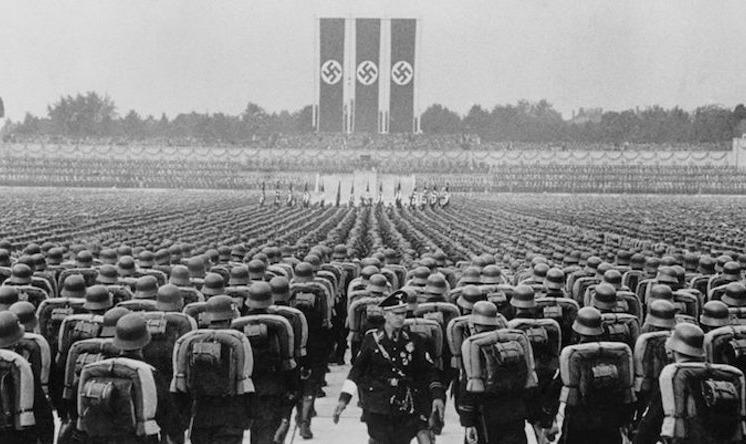
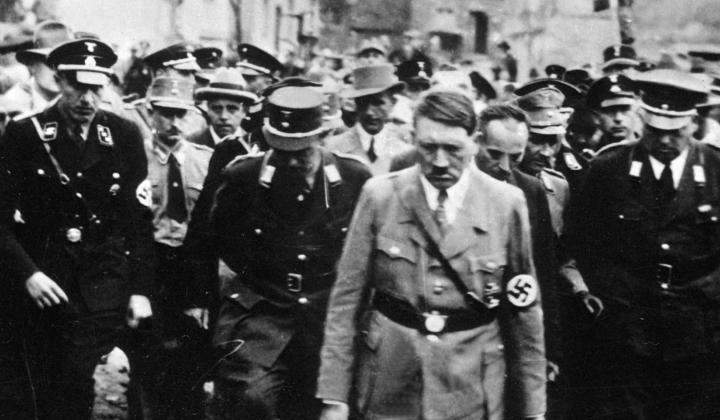
From 1933 to 1945, Germany was under the dictatorship of Adolf Hitler. Hitler carried out The Holocaust, a genocide that occured during World War II, which is when Nazi Germany systematically murdered some six million European Jews, around two-thirds of the Jewish population of Europe, between 1941 and 1945.